The location
Place the remains in the wider Sulakyurt & Northern Heritage landscape without attributing unsupported ancient names.






Kalekışla Village Castle is part of Kırıkkale Province, in the Sulakyurt & Northern Heritage area. Its particular interest is ruined fortification on a prominent hill.
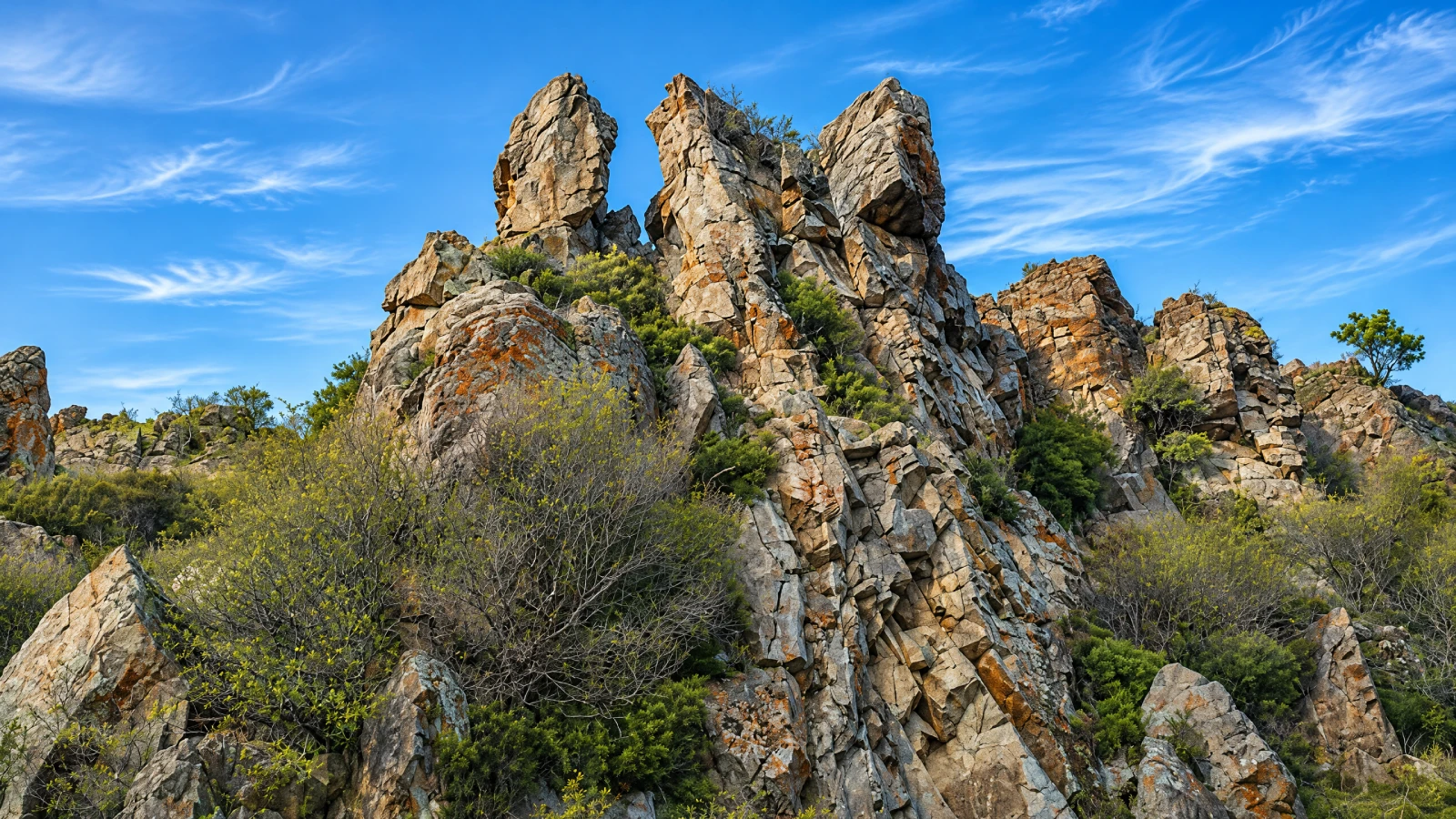
The remains lie on a hill beside Kalekışla village in Sulakyurt; the provincial district guide notes heavy surviving wall material and only low stretches of defensive masonry.
Sulakyurt & Northern Heritage — one of Kırıkkale's distinct regional routes.
Ruined fortification on a prominent hill
The historical or cultural evidence for Kalekışla Village Castle should be read alongside its known regional setting rather than replacing it with a legend or unverified date.
It is an unserviced ruin. Seek local guidance and do not disturb stones, digs or fragile edges.
Only documented or explicitly qualified visiting information is included.
Sulakyurt & Northern Heritage, Kırıkkale Province, Türkiye
Archaeology and historic sites
Kırıkkale Provincial Culture Directorate – Sulakyurt district
It is an unserviced ruin. Seek local guidance and do not disturb stones, digs or fragile edges.
The historic record for Kalekışla Village Castle requires care in separating documented statements from later interpretation.
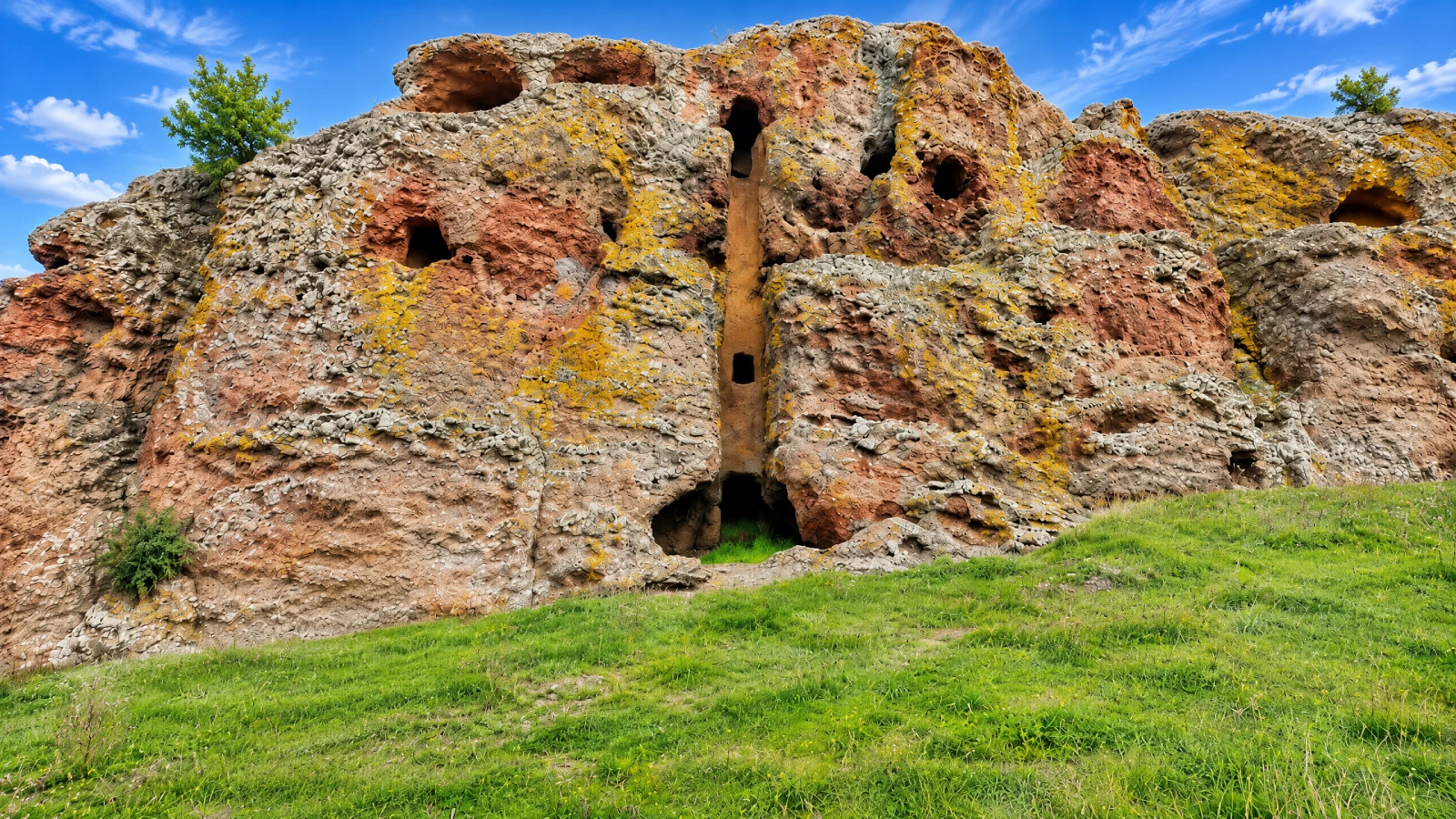
The description tentatively suggests a first-millennium BCE context and mentions a water passage in local tradition, possibly no longer visible. Neither a specific ancient ruler nor an intact underground tunnel is established.
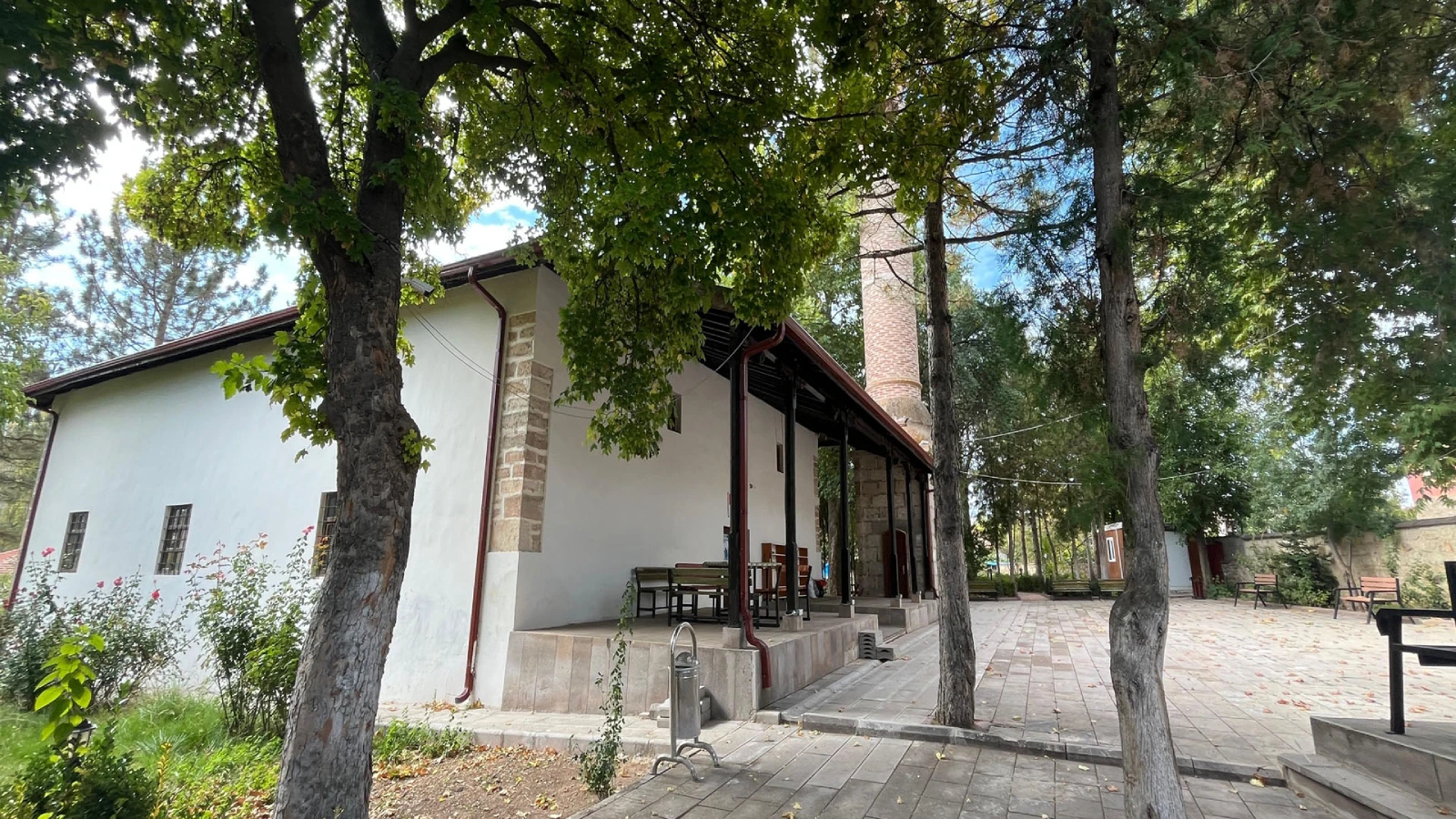
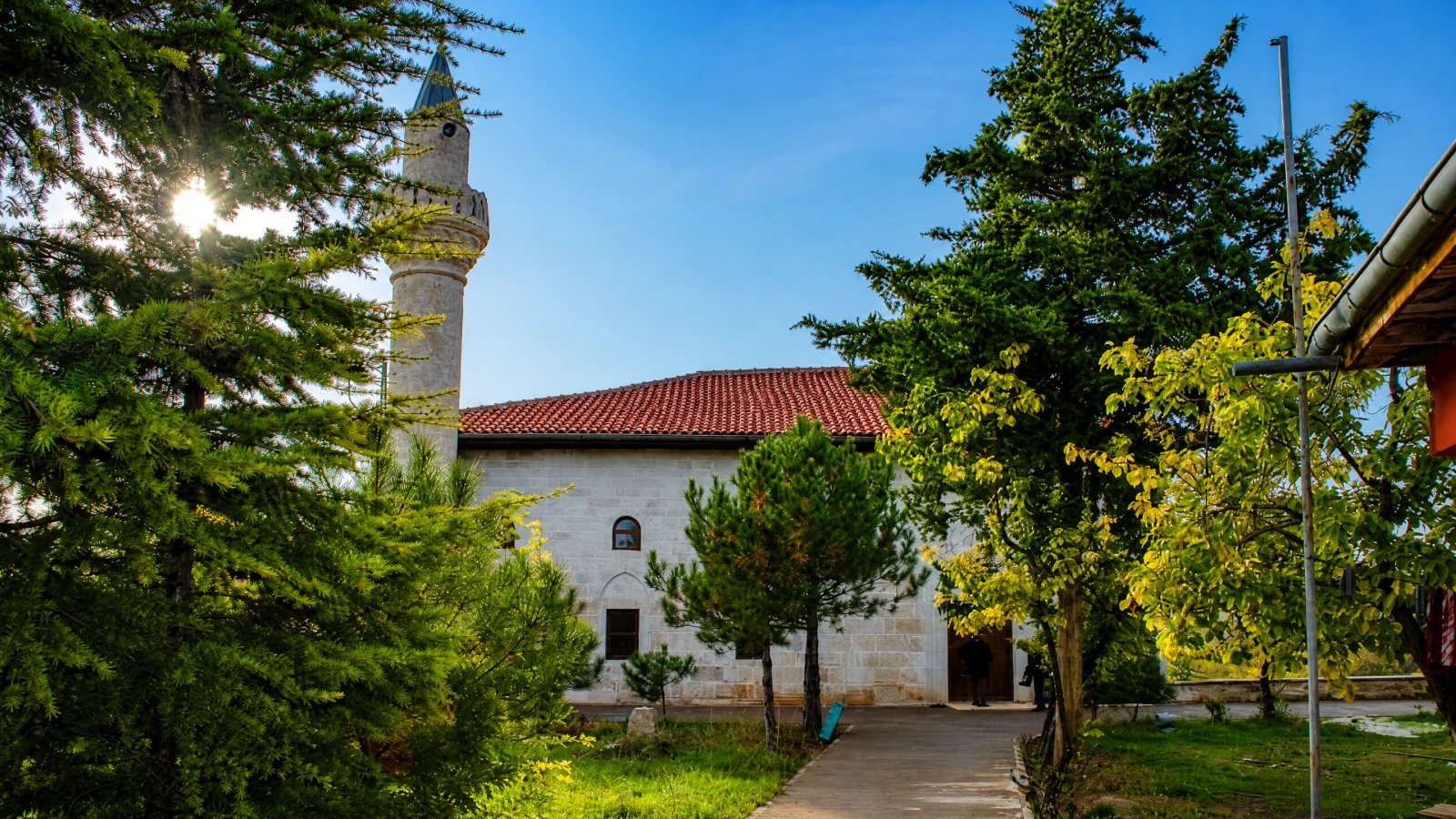
The former Şeyh Şami settlement lies amid village mosques, rock-cut places and hilltop ruins. Provincial descriptions preserve both inscription-based information and oral memories; these different forms of evidence should not be given the same degree of certainty.
The site's visibility is mainly topographic: prominent high ground and fragmentary fortifications. Do not imagine towers or reconstructed chambers that are not present.
Key local details, historical evidence and practical considerations.
Place the remains in the wider Sulakyurt & Northern Heritage landscape without attributing unsupported ancient names.
The description tentatively suggests a first-millennium BCE context and mentions a water passage in local tradition, possibly no longer visible. Neither a specific ancient ruler nor an intact underground tunnel is established.
The site's visibility is mainly topographic: prominent high ground and fragmentary fortifications. Do not imagine towers or reconstructed chambers that are not present.
Published archaeological research does not imply public entry to excavation trenches or closed interiors.
The presence of ruins at Kalekışla Village Castle does not identify an ancient ruler or precise building date without supporting excavation or epigraphic evidence.
Understand the site within Sulakyurt & Northern Heritage and compare it with other archaeological entries only where the chronology is genuinely related.
The site's visibility is mainly topographic: prominent high ground and fragmentary fortifications. Do not imagine towers or reconstructed chambers that are not present.
This is also an opportunity to place Sulakyurt & Northern Heritage within a regional travel itinerary without confusing an ancient site, sacred building, contemporary recreation facility or living food tradition with another type of experience.
The most reliable material for Kalekışla Village Castle comes from the listed documentary sources and the actual features they describe.
Recognise the particular history of Sulakyurt & Northern Heritage, not an interchangeable Anatolian landmark.
The site's visibility is mainly topographic: prominent high ground and fragmentary fortifications. Do not imagine towers or reconstructed chambers that are not present.
It is an unserviced ruin. Seek local guidance and do not disturb stones, digs or fragile edges.
It is an unserviced ruin. Seek local guidance and do not disturb stones, digs or fragile edges.
It is an unserviced ruin. Seek local guidance and do not disturb stones, digs or fragile edges.
The former Şeyh Şami settlement lies amid village mosques, rock-cut places and hilltop ruins. Provincial descriptions preserve both inscription-based information and oral memories; these different forms of evidence should not be given the same degree of certainty.
This location may be sacred, a home, active infrastructure, an archaeological area or a working landscape. Check who administers Kalekışla Village Castle before treating it as an unrestricted visitor attraction.
It is an unserviced ruin. Seek local guidance and do not disturb stones, digs or fragile edges.
Do not climb historic masonry, move stones, enter unsafe chambers or cross barriers.
Construction, rebuilding and later use may be several different episodes.
Active religious sites, schools and private buildings require special respect.
Historic significance does not imply that every building has public opening hours.
Readers interested in how Kalekışla Village Castle connects to the larger story of Kırıkkale.
Travellers who want a grounded account of the Sulakyurt & Northern Heritage region rather than a checklist of generic Turkish attractions.
The details at Kalekışla Village Castle reward visitors who want to recognise its locally documented features rather than relying on generic photographs.
It is an unserviced ruin. Seek local guidance and do not disturb stones, digs or fragile edges.
The remains lie on a hill beside Kalekışla village in Sulakyurt; the provincial district guide notes heavy surviving wall material and only low stretches of defensive masonry.
The description tentatively suggests a first-millennium BCE context and mentions a water passage in local tradition, possibly no longer visible. Neither a specific ancient ruler nor an intact underground tunnel is established.
The site's visibility is mainly topographic: prominent high ground and fragmentary fortifications. Do not imagine towers or reconstructed chambers that are not present.
It is an unserviced ruin. Seek local guidance and do not disturb stones, digs or fragile edges.
The site or tradition is associated with the Sulakyurt & Northern Heritage area of Kırıkkale Province, Türkiye. Use local wayfinding and verify the present venue before setting out.
The site's visibility is mainly topographic: prominent high ground and fragmentary fortifications. Do not imagine towers or reconstructed chambers that are not present.
It is an unserviced ruin. Seek local guidance and do not disturb stones, digs or fragile edges.
Topic-specific official or archival documentation was consulted, although uncertain details remain.
The research record for Kalekışla Village Castle is anchored in the specific public sources linked here; where a publication gives no exact dates or visiting guarantees, none are added.