Local Heritage & Researched Context
Bor District Travel Guide – History & Significance
Explore the evidence, historical landscape and distinctive features of Bor District Travel Guide.
Bor is one of Niğde province’s principal historic districts, with an urban heritage shaped by trade, agriculture and religious foundations. It makes a useful base for exploring the south-central part of the province.
A district visit can combine historic streets, local food traditions and nearby Tyana/Kemerhisar heritage. The district should not be reduced to a single monument: everyday architecture is part of its appeal.
Bor is a fertile district south of Niğde city that brings together orchards, old settlement quarters and the nearby ancient Tyana landscape. The provincial district account places it on the wider Bor plain and describes both long archaeological occupation and later Seljuk, Karamanid and Ottoman periods.
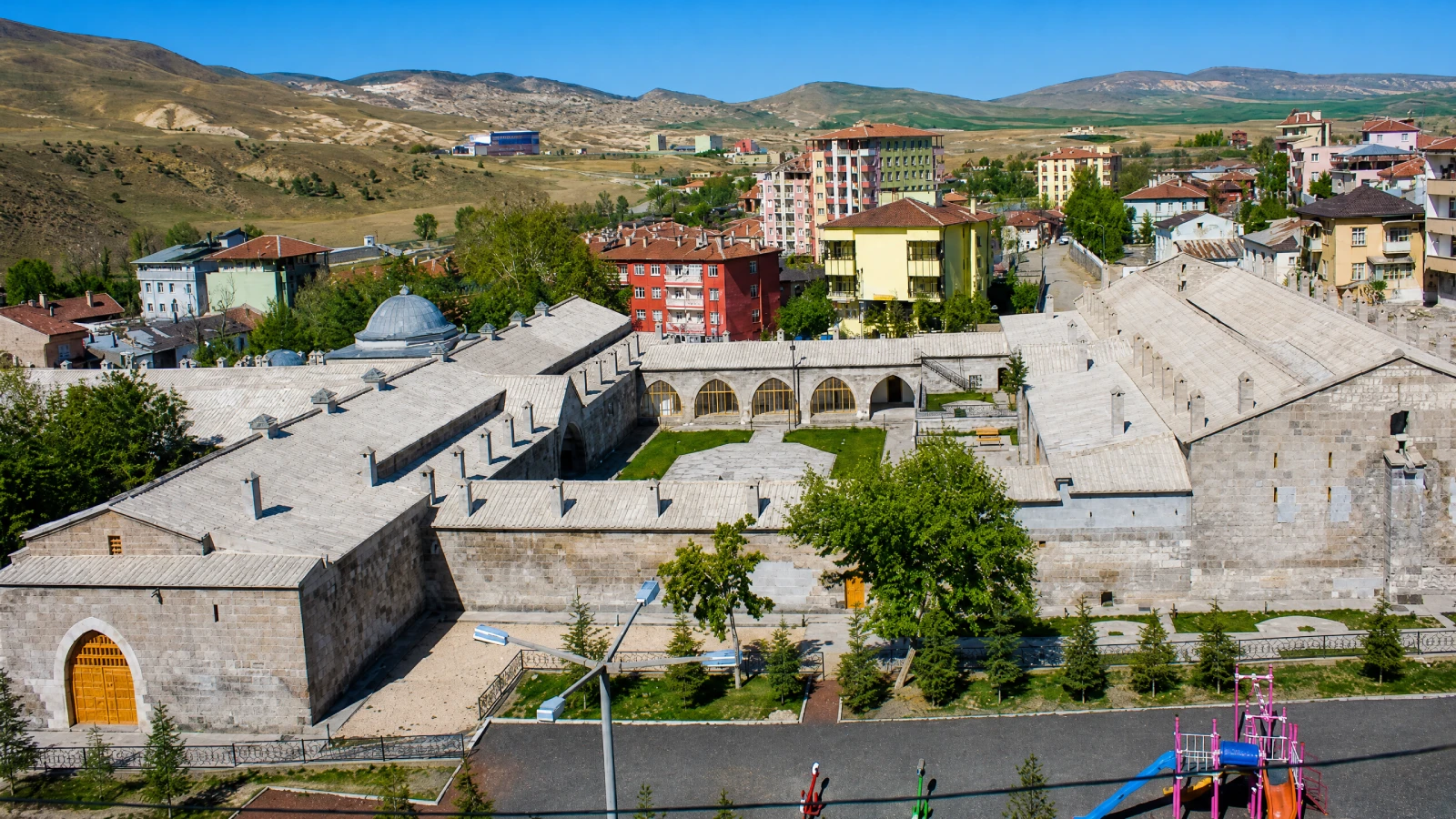
A visitor route can start with the Bahçeli Roman Pool and Kemerhisar Aqueducts, then turn toward the historic centre of Bor. The district inventory lists several Ottoman-era mosques, baths and older religious structures. These buildings should be presented individually, not all described as interchangeable Seljuk monuments.
Fruit cultivation, including apples, cherries and apricots, provides a cultural landscape beyond masonry. Agricultural land is normally private, so roadside photography and orchard visits should follow local permission and seasonal availability.
Bor brings together the Kemerhisar/Tyana archaeological zone, the Bahçeli source pool and a historically productive agricultural plain. This is a useful way to structure a visitor itinerary that moves from water engineering to urban and orchard culture.
The district’s mosques, baths and older quarters belong to several building periods. Rather than presenting every masonry monument as Seljuk, visitors should look for inscriptions and records that distinguish Ottoman alterations from earlier material.