A Rare Spring Delicacy of Şanlıurfa

Urfa Keme Boranısı – Complete Food Guide

Discover wild keme mushrooms, tender İvesi lamb, tiny bulgur meatballs,
garlic yoghurt, and one of Şanlıurfa’s most seasonal traditional dishes.

Discover Urfa Keme Boranısı

Discover Şanlıurfa’s Rare Keme Mushroom Boranısı

Urfa Keme Boranısı, officially registered as Urfa Keme Boranısı Yemeği / Şanlıurfa Keme Boranısı Yemeği, is a traditional hot dish prepared with wild keme mushrooms, İvesi lamb, Şanlıurfa clarified butter, local pepper, fried bulgur-and-meat balls known as yuvalak, and garlic yoghurt. It is one of the most distinctive expressions of Şanlıurfa’s spring cuisine.

Keme mushrooms grow naturally below the surface of sandy soils and are gathered only during a short period extending roughly from late March to the first week of May. Their limited season gives the dish a special place on family tables and restaurant menus. This complete guide explains the dish’s geographical-indication status, seasonal character, traditional ingredients, preparation method, flavour, texture, serving customs, dietary information, visitor tips, and place within the culinary heritage of southeastern Türkiye.

Wild Keme Mushroom

A naturally growing Terfezia mushroom collected beneath Şanlıurfa’s sandy soils during a brief spring season.

İvesi Lamb

Tender cubed lamb and meat used in the yuvalak connect the dish with Şanlıurfa’s long pastoral tradition.

Bulgur Yuvalak

Tiny hand-rolled bulgur-and-meat balls are fried until lightly coloured before receiving the hot keme stew.

Garlic Yoghurt

A cool, tangy garlic-yoghurt sauce balances the rich lamb, clarified butter, pepper, and earthy mushroom flavours.

Know Before You Taste

Urfa Keme Boranısı – Quick Facts

Essential information about Şanlıurfa’s geographically indicated seasonal keme dish.

📍

Origin

Şanlıurfa in southeastern Türkiye, where the dish is connected with local keme gathering, lamb raising, bulgur traditions, and skilled household cooking.

Open Şanlıurfa on Google Maps
🍄

Main Ingredient

Wild keme, a potato-like Terfezia mushroom that grows naturally beneath sandy soil in Şanlıurfa.

🌱

Traditional Season

Prepared when fresh keme can be collected, generally from late March until no later than the first week of May.

🏅

Geographical Indication

Registered by TÜRKPATENT as a mahreç işareti with geographical-indication registration number 450.


A Dish Shaped by the Spring Rains

The Culinary Tradition of Urfa Keme Boranısı

Discover how a short-lived wild harvest became one of Şanlıurfa’s most eagerly awaited seasonal meals.

Şanlıurfa’s cuisine reflects the agricultural plains, pastoral communities, markets, trade routes, and family kitchens of northern Mesopotamia. Wheat, bulgur, lamb, yoghurt, clarified butter, peppers, pulses, herbs, and seasonal plants appear repeatedly across the local table, but few ingredients create as much excitement as the spring keme mushroom.

Keme grows below the surface rather than forming a visible cap above the soil. Local gatherers look for areas where the ground has risen or cracked, a sign that the mushroom is developing several centimetres beneath the surface. Its arrival depends on suitable soil, moisture, and spring temperatures, making each season slightly different.

Because the mushroom is gathered from nature and remains fresh for a limited period, keme dishes are closely associated with spring. During the season, local markets and restaurant kitchens may offer keme kebab, sautéed keme, keme with rice, and other preparations. Urfa Keme Boranısı is among the most elaborate because it combines the mushroom with lamb, broth, clarified butter, tiny bulgur meatballs, and garlic yoghurt.

The official registration also records a traditional explanation for the name boranı. The word is linked to the Persian Bûrâni and to a story surrounding Bûrân, whose celebrated ninth-century wedding became associated with magnificence and abundance. Whether approached as history, linguistic memory, or culinary legend, the name places the dish within a wider cultural world extending beyond modern borders.

The preparation requires several separate skills. The cook must clean the delicate keme without wasting too much of it, produce a concentrated lamb broth, knead the bulgur mixture to a consistency that can be rolled, fry the yuvalak evenly, and combine the final elements while preserving their individual textures.

Urfa Keme Boranısı is therefore more than a mushroom stew. It is a layered meal that brings together wild gathering, livestock traditions, local grain knowledge, careful handwork, and the contrasting temperatures and flavours of hot lamb stew and cool garlic yoghurt.


What Makes It Special

Distinctive Features of Urfa Keme Boranısı

The dish is defined by its rare mushroom, local lamb, hand-rolled yuvalak, rich broth, Şanlıurfa ingredients, and garlic-yoghurt service.

Wild Keme Mushroom

The central ingredient is keme, a naturally growing Terfezia mushroom found beneath sandy, permeable soils in Şanlıurfa. Its earthy, delicate character distinguishes the dish from other regional boranıs.

  • Growth: Approximately 5–10 cm below the soil
  • Appearance: Rounded and potato-like
  • Availability: Short spring gathering season

İvesi Lamb

Cubed meat from locally raised İvesi lamb is simmered with marrow bones to create tenderness and a full-bodied broth. Lamb is also used in the traditional yuvalak mixture.

  • Main meat: Medium-fat cubed lamb
  • Broth: Prepared with marrow bones
  • Character: Rich, tender, and savoury

Tiny Yuvalak Meatballs

Fine bulgur, raw lamb, Şanlıurfa pepper, onion, salt, and black pepper are kneaded into a firm mixture and rolled into very small balls. These are fried before being placed on the serving plate.

  • Base: Fine bulgur and lamb
  • Shape: Small round balls
  • Cooking: Fried in hot olive oil

Şanlıurfa Clarified Butter

Şanlıurfa Sadeyağı, also known as Urfa Yağı, is used to sauté the cooked lamb and keme. It gives the hot component a rounded richness and distinctive aroma.

  • Local name: Sadeyağ or Urfa Yağı
  • Function: Sautéing and flavour
  • Result: Rich, glossy finish

Şanlıurfa Pepper

Geographically indicated Şanlıurfa pepper seasons the yuvalak mixture, giving it colour, warmth, and the unmistakable flavour profile of the local kitchen.

  • Used in: Boranı meatballs
  • Character: Warm, aromatic pepper flavour
  • Role: Regional identity and seasoning

Garlic Yoghurt

Garlic crushed with salt is mixed into yoghurt and served with the hot dish. Its cool acidity balances the lamb fat, clarified butter, fried bulgur, and mushroom broth.

  • Ingredients: Yoghurt, garlic, and salt
  • Temperature: Cool
  • Purpose: Contrast and balance

Layered Presentation

The fried yuvalak are placed on the plate first. The boiling lamb-and-keme mixture is ladled over them until covered, and garlic yoghurt is presented alongside or over the dish.

  • First layer: Fried yuvalak
  • Second layer: Hot lamb and keme stew
  • Finish: Garlic yoghurt

Strong Seasonal Identity

Unlike dishes available throughout the year, authentic Urfa Keme Boranısı depends on fresh wild keme. Its brief availability is an essential part of its cultural identity.

  • Season: Spring
  • Supply: Gathered from nature
  • Experience: Limited and highly anticipated

Urfa Keme Boranısı’s Geographical Indication

Urfa Keme Boranısı is officially registered by the Turkish Patent and Trademark Office as a geographically indicated product associated with Şanlıurfa.

Official Registered Name

The registered name is Urfa Keme Boranısı Yemeği / Şanlıurfa Keme Boranısı Yemeği.

Registration Number

The product carries geographical-indication registration number 450.

Registration Date

The registration was completed on 4 September 2019.

Application Date

The geographical-indication application was submitted on 10 June 2014.

Registration Type

Urfa Keme Boranısı is protected as a mahreç işareti, a protected geographical indication.

Registered Institution

The applicant and registration holder is the Şanlıurfa Chamber of Commerce and Industry.


The official record connects the dish with fine bulgur, keme mushrooms gathered in Şanlıurfa, meat from locally raised İvesi lamb, geographically indicated Şanlıurfa pepper, and Şanlıurfa clarified butter. It also records the traditional sequence of preparing and frying the yuvalak, cooking the lamb and mushrooms, and serving the dish with garlic yoghurt.

The registration protects more than a name. It preserves the dish’s relationship with Şanlıurfa’s seasonal mushroom gathering, local livestock, regional ingredients, skilled preparation, and accumulated culinary knowledge.

Ingredients Used in Urfa Keme Boranısı

The registered preparation is built in three parts: the hot lamb-and-keme dish, the small bulgur yuvalak, and the garlic-yoghurt sauce. Quantities can be increased or reduced while preserving the traditional proportions and method.

Main Lamb and Keme Mixture

Keme Mushroom

Approximately 500 grams of fresh keme, soaked, gently scraped clean, and cut into chickpea-sized cubes.

İvesi Lamb

Approximately 500 grams of medium-fat İvesi lamb, cut into small cubes and simmered until tender.

Marrow Bones

Four to five marrow bones are simmered with the lamb to strengthen and enrich the cooking broth.

Şanlıurfa Clarified Butter

Approximately two tablespoons of Şanlıurfa Sadeyağı or Urfa Yağı for sautéing the lamb and keme.

Salt

Approximately one teaspoon, adjusted carefully according to the broth, butter, and yoghurt service.

Black Pepper

Approximately half a teaspoon, giving gentle warmth without covering the keme’s delicate flavour.


Boranı Meatballs – Yuvalak

Raw Lamb

Approximately 250 grams of meat suitable for çiğ köfte, traditionally obtained from İvesi lamb.

Fine Bulgur

Two glasses of fine köftelik bulgur, slowly incorporated and kneaded until the mixture can be rolled without breaking.

Onion

One dry onion is used during kneading to flavour and moisten the mixture, then removed before shaping.

Şanlıurfa Pepper

Two tablespoons of local pepper give the yuvalak their colour, aroma, and regional flavour.

Salt and Black Pepper

Approximately one dessert spoon of salt and half a teaspoon of black pepper season the meatball mixture.

Olive Oil

Plenty of hot olive oil is used to fry the shaped yuvalak until they take on a light pink-brown colour.


Garlic-Yoghurt Sauce

Yoghurt

Approximately 250–300 grams of yoghurt, stirred until smooth before the garlic is added.

Garlic

Two to three cloves, cleaned and crushed with salt to release their full aroma.

Salt

Approximately 2 grams, used while crushing the garlic and balancing the yoghurt sauce.

How Urfa Keme Boranısı Is Prepared

The traditional method requires separate preparation of the yuvalak, lamb-and-keme stew, and garlic yoghurt. Attention to size, texture, and timing determines the finished result.

1. Prepare the Bulgur Bowl Place the fine bulgur in a wide kneading bowl, leaving room on one side for the onion, lamb, pepper, salt, and black pepper
2. Divide and Add the Onion Cut the onion into approximately eight pieces and combine it with the remaining yuvalak ingredients on one side of the bowl
3. Knead Gradually Work the mixture while slowly drawing in the bulgur and adding small amounts of water as needed
4. Test the Consistency Continue kneading until the softened bulgur can be rolled into a ball without crumbling or separating
5. Remove the Onion Gather the mixture to one side and remove the onion pieces, which are not included in the later cooking stages
6. Shape the Yuvalak Pinch off portions roughly equal to two chickpeas and roll them between the palms into tiny smooth balls
7. Fry the Yuvalak Fry the small balls in plenty of hot olive oil until their colour becomes lightly pink-brown, then drain
8. Soak the Keme Place the fresh mushrooms in water so that the soil softens and can be removed more easily
9. Clean Carefully Lightly scrape the outer layer without removing more of the valuable mushroom than necessary
10. Cut into Small Cubes Dice the cleaned keme into pieces approximately the size of a chickpea for even cooking and balanced spoonfuls
11. Simmer the Lamb and Bones Cook the cubed lamb and marrow bones with sufficient water until the meat is tender and the broth gains body
12. Remove the Bones When the broth has concentrated, take out and discard the bones while retaining the meat and cooking liquid
13. Sauté the Lamb Transfer the cooked lamb to Şanlıurfa clarified butter and sauté it gently to develop flavour
14. Add the Keme Stir the diced mushroom into the lamb and continue sautéing so the pieces absorb the butter and meat aromas
15. Add Broth and Seasoning Return enough lamb broth to create the hot main dish, then add salt and black pepper
16. Simmer Gently Cook over low heat for approximately 15 minutes, keeping the keme tender rather than overcooked
17. Make Garlic Yoghurt Crush the garlic with salt, stir it into smooth yoghurt, and keep the sauce ready for service
18. Assemble the Plate Place the fried yuvalak on the serving plate and ladle the boiling lamb-and-keme mixture over them until covered
19. Serve with Yoghurt Finish the dish with garlic yoghurt served over the top or alongside according to the household or restaurant presentation

What Is Keme Mushroom?

Keme is the local name used for a naturally growing Terfezia mushroom found beneath the soil in Şanlıurfa. It is often compared visually with a small potato and belongs to the group commonly described as desert truffles. Unlike ordinary mushrooms with visible stems and caps, keme develops underground.

Underground Growth

Keme usually develops approximately 5–10 centimetres below the surface, hidden beneath sandy soil.

Natural Soil Signals

As it expands, the mushroom can lift and crack the ground, helping experienced gatherers identify where to dig.

Sandy Habitat

It is associated with permeable, sandy soils that hold little water and dry relatively quickly.

Spring Temperature

The registered description connects its appearance with periods when temperatures are around 20°C.

Short Harvest

In Şanlıurfa, gathering generally extends from late March to no later than the first week of May.

Delicate Flavour

Keme has a mild, earthy, gently nutty character that readily absorbs lamb broth, butter, and seasoning.


Fresh keme requires careful cleaning because soil collects around its uneven surface. Traditional cooks soak the mushrooms briefly and scrape the outside gently. Excessive peeling wastes the ingredient, while insufficient cleaning can leave grit in the finished dish.

Its rarity and short season can make keme more expensive than ordinary cultivated mushrooms. Availability and market prices vary according to spring rainfall, soil conditions, the success of the harvest, and local demand.

The Role of Yuvalak in Keme Boranısı

The small bulgur balls known as yuvalak transform the dish from a simple mushroom-and-meat stew into a complete boranı. Their preparation demonstrates the fine handwork for which many Şanlıurfa bulgur dishes are known.

Fine Bulgur Base

Small-grained köftelik bulgur absorbs moisture and binds with the raw lamb during prolonged kneading.

Meat Enrichment

Traditional raw İvesi lamb adds savoury flavour, protein, and cohesion to the bulgur mixture.

Onion Technique

Pieces of onion release flavour and moisture during kneading but are removed before the yuvalak are shaped.

Very Small Size

Each portion is only about twice the size of a chickpea, allowing many yuvalak to fit into a single serving.

Hand-Rolled Finish

The mixture is rolled between both palms until each ball becomes compact, smooth, and resistant to breaking.

Fried Texture

Frying creates a lightly firm exterior that helps the yuvalak keep their shape beneath the hot stew.


Correct kneading is essential. A dry mixture crumbles while shaping, but excessive water can make the yuvalak soft and difficult to fry. Experienced cooks judge readiness by rolling a test piece and checking that it remains intact.

İvesi Lamb, Şanlıurfa Pepper, and Sadeyağ

Urfa Keme Boranısı draws much of its identity from ingredients associated directly with Şanlıurfa. The official registration highlights local İvesi lamb, Şanlıurfa pepper, and Şanlıurfa clarified butter alongside the region’s wild keme.

İvesi Lamb

The İvesi, also known internationally as Awassi, is a sheep breed closely associated with southeastern Anatolia and the wider region.

Medium-Fat Meat

A moderate amount of fat keeps the cubed lamb tender and gives the broth sufficient depth without overwhelming the mushroom.

Marrow-Bone Broth

Simmering marrow bones with the lamb strengthens the cooking liquid later returned to the sautéed meat and keme.

Şanlıurfa Pepper

The local pepper is used in the yuvalak, contributing colour, warmth, and the familiar aroma of Şanlıurfa cuisine.

Şanlıurfa Sadeyağı

Clarified butter carries flavour efficiently and creates the rich mouthfeel expected in the hot component of the dish.

Regional Balance

Earthy keme, savoury lamb, warm pepper, rich butter, grainy bulgur, and cool yoghurt create a layered local flavour profile.

Why Urfa Keme Boranısı Is a Seasonal Dish

The seasonality of Urfa Keme Boranısı is not a marketing concept. It is determined by the natural life cycle and freshness of the wild keme mushroom.

Natural Gathering

Traditional keme is collected from the wild rather than produced as an ordinary year-round cultivated mushroom.

Weather Dependence

Rainfall, soil moisture, temperature, and local conditions affect when the mushrooms appear and how abundant the harvest will be.

Late March

The gathering period generally begins near the end of March as spring conditions become suitable.

Early May Limit

The registered description places the latest traditional collection period around the first week of May.

Freshness Matters

The dish is traditionally produced while the mushrooms can be gathered and still retain their desired freshness.

Plan Ahead

Travellers hoping to taste authentic keme boranısı should visit in spring and confirm restaurant availability in advance.


Some businesses may preserve or freeze keme, but the geographical-indication description emphasises production during the period when the mushroom can be collected and remains fresh. For the clearest traditional experience, seek a spring preparation made with freshly gathered local keme.

How Urfa Keme Boranısı Is Served

The dish is served hot and assembled so that the fried yuvalak absorb some broth while retaining enough structure to remain distinct. Garlic yoghurt adds a cool finishing contrast.

Serving Temperature The lamb, keme, and broth should arrive hot, ideally just after the final simmer
Base of the Plate Fried yuvalak are arranged first so that the stew can be ladled directly over them
Main Layer The cooked lamb, mushroom pieces, and broth are added generously enough to cover the yuvalak
Yoghurt Service Garlic yoghurt is presented with the dish, either spooned over the top or offered at the side
Optional Accompaniment Some tables may add rice pilaf, bread, salad, herbs, or other dishes according to local custom
Best Experience Eat while the hot stew and cool yoghurt still create a clear temperature and flavour contrast

The dish can be substantial because it contains lamb, bulgur, mushroom, clarified butter, oil, and yoghurt. A moderate portion is often enough when it forms part of a larger Şanlıurfa meal.

What Does Urfa Keme Boranısı Taste Like?

Urfa Keme Boranısı is earthy, savoury, rich, gently spicy, tangy, and deeply comforting. Its complexity comes from the interaction of several components rather than a single dominant flavour.

Keme Mushroom

The mushroom contributes a mild earthy flavour and a tender yet substantial bite that absorbs the lamb broth.

Lamb and Broth

Tender lamb and marrow-enriched broth provide the dish’s main savoury depth and warming character.

Yuvalak

The small bulgur balls add grainy texture, pepper warmth, fried flavour, and a satisfying chew.

Clarified Butter

Sadeyağ gives a rich aroma and rounded mouthfeel while carrying the mushroom and lamb flavours.

Garlic Yoghurt

Cool yoghurt brings tang and freshness, while crushed garlic adds a sharp aromatic contrast.

Overall Character

The finished dish is filling and layered, with a balance of earthy, meaty, creamy, peppery, and garlicky notes.


Visitors should not expect keme to taste exactly like a common cultivated mushroom. Its flavour is usually more delicate than its rarity suggests, and much of the experience comes from its texture, seasonality, and ability to carry the surrounding broth and butter.

Dietary and Allergen Information

Urfa Keme Boranısı contains several ingredients that matter for dietary restrictions. Restaurant variations may differ, so guests with allergies should always confirm the exact recipe and kitchen practices.

Contains Meat

The traditional recipe uses cubed lamb, meat in the yuvalak, and broth made with marrow bones.

Contains Dairy

Şanlıurfa clarified butter and garlic yoghurt make the traditional dish unsuitable for dairy-free and vegan diets.

Contains Gluten

The yuvalak are made with fine wheat bulgur, so the dish is not gluten-free and is unsuitable for people with coeliac disease.

Not Vegetarian

Lamb appears in both the hot stew and the bulgur meatballs, and the cooking liquid is meat-based.

Garlic Content

The yoghurt sauce contains fresh garlic. Ask for separate service when you prefer to control the amount.

Pepper Level

Şanlıurfa pepper seasons the yuvalak. The dish is aromatic and warm, but individual kitchens may vary in heat.

Fried Component

The yuvalak are traditionally fried in plenty of olive oil, making the dish richer than a simple boiled stew.

Cross-Contact

Serious allergies require direct confirmation with the restaurant regarding shared oil, utensils, surfaces, and preparation areas.

Where to Eat Urfa Keme Boranısı in Şanlıurfa

Because fresh keme is available for only a short time, Urfa Keme Boranısı may not appear permanently on restaurant menus. The strongest opportunities are found during spring at establishments specialising in traditional Şanlıurfa cuisine, home-style kitchens, culinary events, and hosted regional meals.

Traditional Urfa Restaurants

Choose restaurants with broad local menus rather than venues serving only standard kebabs.

Historic Centre

Restaurants around the bazaars, Balıklıgöl, and restored stone courtyards may feature seasonal regional dishes.

Spring Menus

Look for daily boards or ask directly whether fresh keme dishes are being prepared that day.

Hosted Meals

Home-style culinary experiences can provide the time and skilled handwork required for traditional yuvalak and careful assembly.

Food Festivals

Spring food events and geographical-indication promotions may include keme tastings or preparation demonstrations.

Reserve in Advance

Availability can be limited by supply, preparation time, and cost, so contact the venue before travelling specifically for the dish.


Ask whether the dish is prepared with fresh local keme, İvesi lamb, Şanlıurfa sadeyağı, and hand-rolled yuvalak. Menus and seasonal supply can change quickly, and a dish offered one week may disappear when the harvest ends.

Urfa Keme Boranısı Visitor Tips

Visit in Spring

Late March and April generally offer the best chance of finding preparations made with freshly gathered keme.

Confirm the Harvest

Seasonal conditions vary from year to year, so ask local restaurants whether fresh keme has arrived.

Reserve the Dish

The preparation is labour-intensive and may be made only in limited quantities. Booking ahead can prevent disappointment.

Ask for the Traditional Version

Look for a complete plate with yuvalak, lamb, keme, broth, clarified butter, and garlic yoghurt.

Expect a Rich Meal

Lamb, fried bulgur balls, clarified butter, olive oil, and yoghurt make the dish filling.

Try a Moderate Portion

A smaller serving leaves room for other Şanlıurfa specialities during a multi-course food experience.

Eat It Hot

The stew is at its best when freshly ladled over the yuvalak while the garlic yoghurt remains cool.

Notice the Texture

Compare the tender mushroom, soft lamb, firm yuvalak, rich broth, and creamy yoghurt in each spoonful.

Ask About the Keme

Local cooks and market sellers may explain where it was gathered and how the current season compares with previous years.

Check Dietary Needs

The traditional recipe contains meat, dairy, wheat gluten, garlic, pepper, and fried ingredients.

Explore the Markets

During the season, seeing fresh keme in Şanlıurfa’s markets adds valuable context before tasting the dish.

Combine It with a Food Tour

A local guide can connect the dish with Şanlıurfa’s spring produce, pepper culture, lamb traditions, and historic bazaars.

Frequently Asked Questions About Urfa Keme Boranısı

What is Urfa Keme Boranısı?

Urfa Keme Boranısı is a traditional hot dish from Şanlıurfa made with wild keme mushrooms, İvesi lamb, marrow-bone broth, clarified butter, small fried bulgur-and-meat balls called yuvalak, and garlic yoghurt.

What is the official registered name?

The official geographical-indication name is Urfa Keme Boranısı Yemeği / Şanlıurfa Keme Boranısı Yemeği.

Is Urfa Keme Boranısı geographically indicated?

Yes. It is registered by the Turkish Patent and Trademark Office as a mahreç işareti with registration number 450.

When was Urfa Keme Boranısı registered?

Its registration was completed on 4 September 2019 following an application submitted by the Şanlıurfa Chamber of Commerce and Industry on 10 June 2014.

What is keme?

Keme is the local name for a naturally growing Terfezia mushroom found beneath sandy soils in Şanlıurfa. It resembles a small potato and is often described as a desert truffle.

Where does keme grow?

The registered description states that it grows naturally around 5–10 centimetres below the soil in sandy, permeable ground with relatively low water retention.

How do people find keme underground?

As the mushroom develops, it can lift and crack the soil. Experienced gatherers recognise these surface signs and dig carefully beneath them.

When is keme season in Şanlıurfa?

The traditional gathering period generally extends from late March until no later than the first week of May, depending on weather and soil conditions.

Can I eat Urfa Keme Boranısı all year?

Authentic fresh-keme preparation is strongly seasonal. Some kitchens may preserve mushrooms, but the registered identity emphasises production while freshly gathered keme is available.

Why is the dish called boranı?

The official record relates the local word to the Persian Bûrâni and records a traditional story connecting it with Bûrân and a magnificent wedding held in 825.

What are yuvalak?

Yuvalak are tiny hand-rolled balls made from fine bulgur, raw lamb, Şanlıurfa pepper, onion, salt, and black pepper. They are fried before the hot stew is poured over them.

Why is the onion removed from the yuvalak mixture?

The onion flavours and moistens the mixture during kneading, but the pieces are removed before shaping so that the tiny balls remain smooth and hold together evenly.

What meat is traditionally used?

The registered method specifies meat from İvesi lamb raised in the region. Cubed lamb is used in the main stew, while suitable raw lamb is incorporated into the yuvalak.

Why are marrow bones used?

Marrow bones are simmered with the cubed lamb to enrich and strengthen the broth later added to the sautéed meat and keme.

Is Urfa Keme Boranısı served hot or cold?

The main dish is served hot. The boiling lamb-and-keme mixture is ladled over the fried yuvalak and accompanied by cool garlic yoghurt.

What does Urfa Keme Boranısı taste like?

It tastes earthy, savoury, rich, gently peppery, garlicky, and tangy, with tender keme, soft lamb, chewy bulgur balls, and creamy yoghurt.

Is Urfa Keme Boranısı spicy?

Şanlıurfa pepper is used in the yuvalak, but the overall heat depends on the pepper and the cook. The dish is usually more aromatic and warming than aggressively hot.

Is Urfa Keme Boranısı vegetarian?

No. The traditional dish contains lamb in both the main stew and yuvalak, as well as marrow-bone broth.

Is Urfa Keme Boranısı vegan?

No. It contains lamb, clarified butter, and yoghurt.

Is Urfa Keme Boranısı gluten-free?

No. The yuvalak are prepared with wheat bulgur and therefore contain gluten.

Does Urfa Keme Boranısı contain dairy?

Yes. The traditional preparation uses Şanlıurfa clarified butter and is served with yoghurt. It is unsuitable for people with a milk allergy.

How is keme cleaned?

The mushrooms are soaked briefly to loosen the soil, then the outer surface is gently scraped before they are cut into small cubes.

Why is keme expensive?

It is gathered from nature during a short season, and availability depends on rainfall, temperature, soil conditions, labour, and demand.

Where can I eat authentic Urfa Keme Boranısı?

Look for established restaurants specialising in Şanlıurfa cuisine, seasonal home-style kitchens, food festivals, or hosted culinary experiences during the spring keme season.

Should I reserve Urfa Keme Boranısı in advance?

Yes. Fresh keme supply is limited and the dish requires extensive preparation, so confirming availability and reserving a portion is recommended.

Is Urfa Keme Boranısı worth trying?

Yes. It combines one of Şanlıurfa’s rarest seasonal ingredients with lamb, bulgur handwork, local pepper, clarified butter, and yoghurt in a dish found nowhere else in quite the same form.

Best Photos of Urfa Keme Boranısı

The contrast between pale keme, browned lamb, tiny yuvalak, white garlic yoghurt, copper tableware, and Şanlıurfa’s stone interiors creates excellent food-photography opportunities.

Overhead Plate

Photograph the full arrangement from above to show the distribution of yuvalak, mushroom, lamb, broth, and yoghurt.

Spoon Detail

Capture a spoonful containing one piece each of keme, lamb, and yuvalak to communicate the dish’s layered texture.

Fresh Keme

Photograph the uncleaned and cleaned mushrooms side by side to show how the underground ingredient changes during preparation.

Yuvalak Making

Close-up images of hands rolling the tiny bulgur balls reveal the labour and skill behind the dish.

Hot and Cold Contrast

Capture steam rising from the stew beside a fresh spoonful of garlic yoghurt.

Traditional Table

Include copperware, woven textiles, local bread, peppers, or a stone courtyard to place the food within Şanlıurfa’s visual culture.


Use soft natural light to preserve the subtle beige tones of the keme and the white yoghurt. Photograph quickly after service so the stew remains glossy and the yoghurt retains its clean contrast. Always ask permission before photographing cooks, gatherers, market sellers, or restaurant guests.

Şanlıurfa Tours and Culinary Experiences

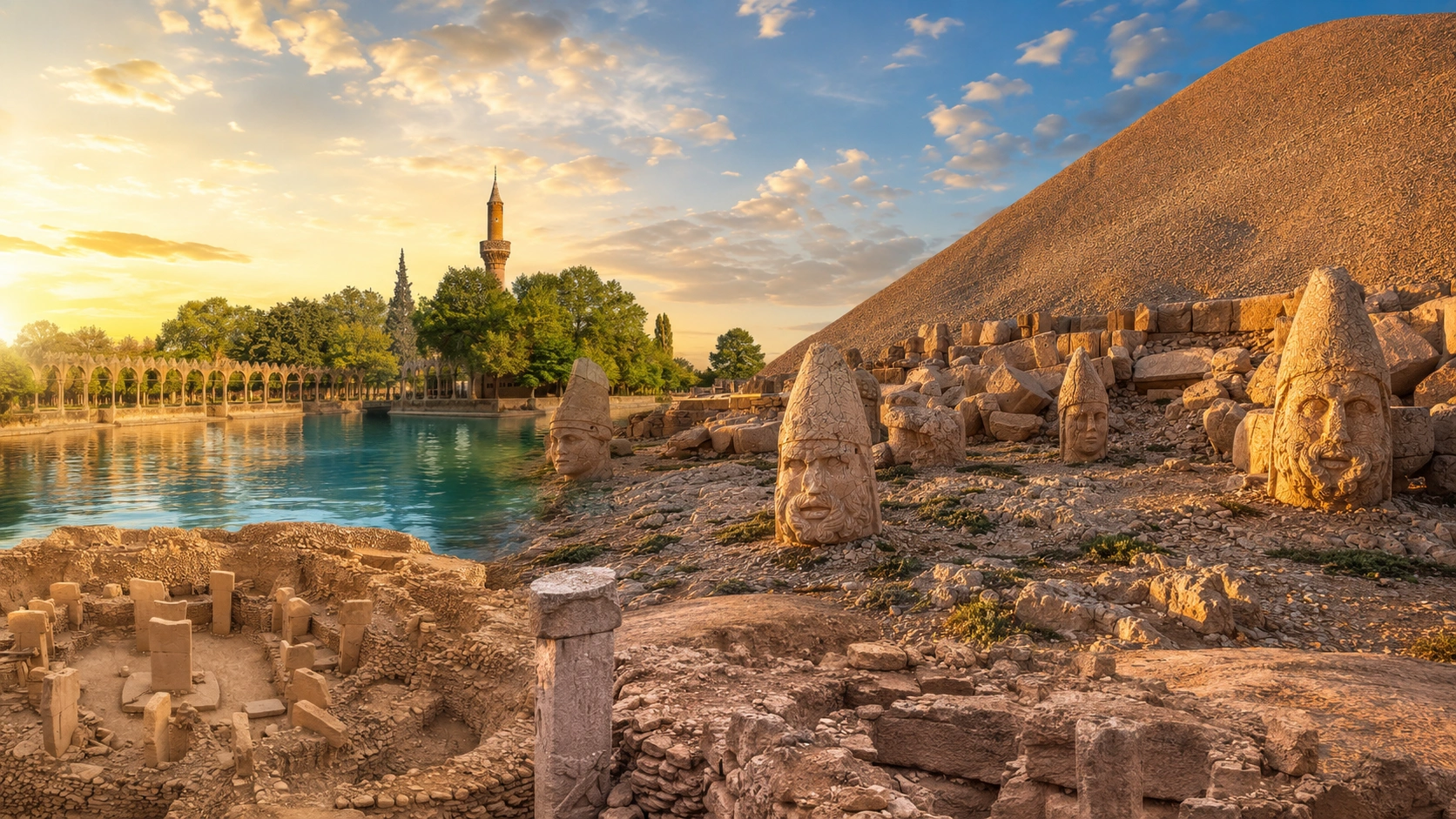
Experience seasonal dishes such as Urfa Keme Boranısı as part of a private journey combining Şanlıurfa’s bazaars, sacred heritage, regional cuisine, Göbeklitepe, Karahantepe, Harran, Halfeti, Gaziantep, and Mount Nemrut.

Private Şanlıurfa Experiences

Custom-designed services with private transportation, professional guiding, flexible timing, and opportunities to discover local food traditions.

Longer Southeastern Türkiye Journeys

Add Şanlıurfa’s culinary traditions to a private route through Gaziantep, Halfeti, Göbeklitepe, Karahantepe, Harran, Mount Nemrut, and Mardin.

Eastern Turkey tour including Sanliurfa regional cuisine

Eastern Turkey Tour – 14 Days

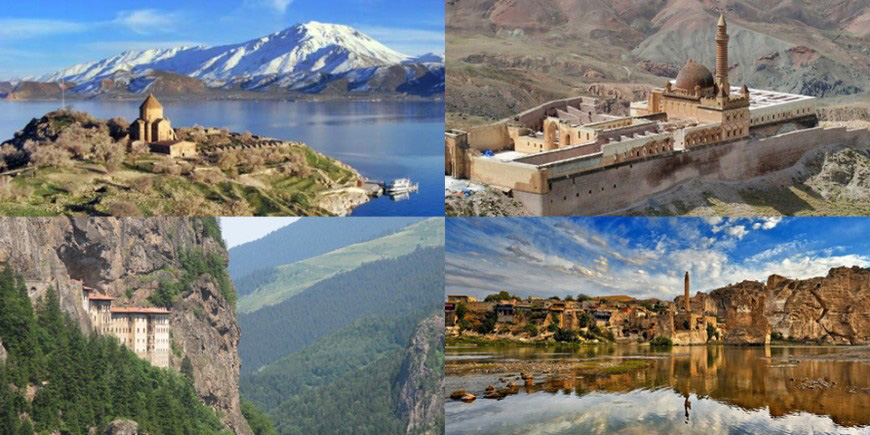
Explore Cappadocia, Gaziantep, Şanlıurfa, Göbeklitepe, Mount Nemrut, Mardin, Lake Van, Ani, Erzurum, and the Black Sea while discovering the regional cultures and flavours of eastern Türkiye.

View Tour